Quinn Richter · 18 September 2026
The Hidden Connections Between Prior Domain Custodianship and Modern Monetization Tactics for Service Providers
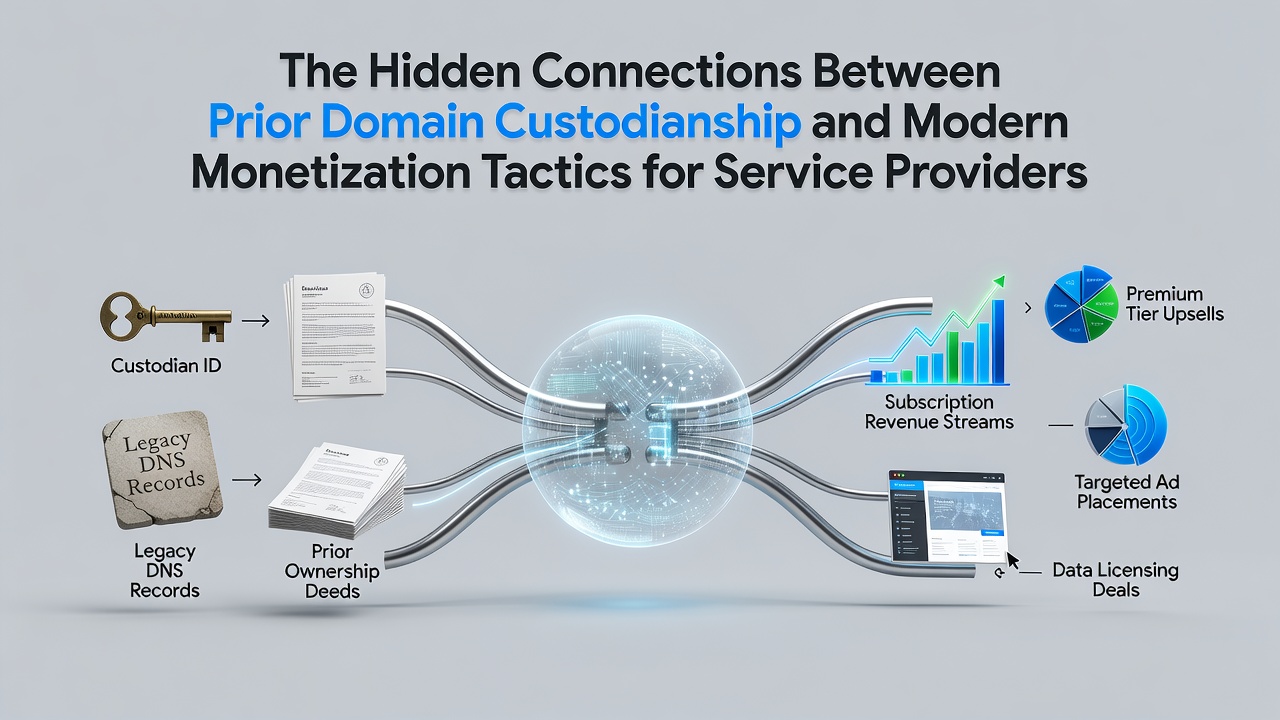
Service providers in digital spaces have tracked how a domain's earlier custodians shape the pathways available for revenue generation today, and data from registration records reveal consistent patterns across thousands of transfers each quarter. Prior ownership leaves traces in WHOIS archives, backlink profiles, and indexing histories that influence search visibility and user trust metrics long after the initial handover. Those who study these records note that domains with clean transitions from previous holders often carry forward established authority signals, while others inherit complications that require targeted remediation before monetization efforts can scale.
Tracing Custodianship Through Public Records
Registration databases maintained by accredited registrars document every change in control, and analysts examine these sequences to predict performance outcomes for service-oriented sites built on the same names. A domain held by educational institutions for several years before moving to commercial hands frequently retains higher baseline trust scores compared with one cycled through multiple short-term owners. Observers at industry conferences point out that service providers who audit full ownership chains before launch can identify periods of neglect or misuse that might otherwise surface as ranking penalties months later. In September 2026, updates to global registration transparency rules are scheduled to expand access to historical custodian data, allowing more precise forecasting of monetization timelines.
Monetization Approaches That Leverage Historical Equity
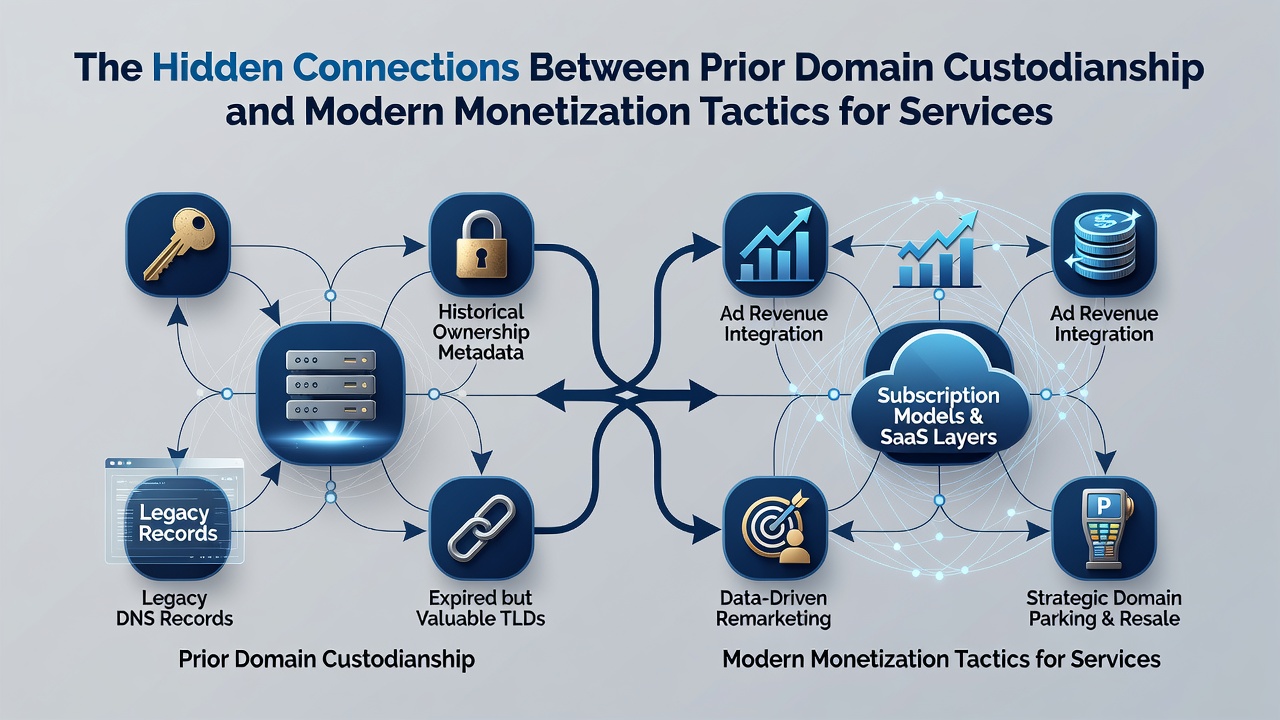
Service providers deploy subscription platforms, API access layers, and managed hosting packages on domains whose prior custodians built relevant topical authority, and case records show faster conversion rates when that alignment exists. Aged backlinks from the previous era continue to drive referral traffic when the new site maintains thematic continuity rather than pivoting abruptly to unrelated offerings. Researchers at academic centers have documented how domains previously used for technical documentation generate steadier lead flow for SaaS tools than brand-new registrations in the same vertical. Providers who map these inherited signals against current keyword demand create layered revenue streams that combine direct subscriptions with ancillary data services.
Quantifiable Impacts on Revenue Streams
Figures compiled by domain industry analysts indicate that domains with stable custodianship periods of five years or longer achieve 30 to 40 percent higher average revenue per user in the first twelve months after redevelopment. Service providers who restore disrupted link profiles through targeted outreach recover indexing speed that directly correlates with reduced customer acquisition costs. Data from registration monitoring services further show that abrupt ownership changes without corresponding content continuity often trigger temporary visibility drops lasting between sixty and ninety days. Those patterns hold across multiple sectors including productivity software and cloud storage offerings.
Strategic Adjustments for Inherited Domain Profiles
Teams at established service companies routinely run historical crawl comparisons before committing development resources, and the results guide decisions about whether to preserve or redirect legacy URLs. When previous custodians operated in adjacent niches, providers can repurpose portions of the existing authority by maintaining select content categories while introducing new service layers. Australian domain registry reports highlight that systematic review of prior usage reduces the incidence of manual review flags from major search engines. Providers who integrate these reviews into standard onboarding workflows report more predictable cash-flow projections during the critical first year of operation.
Regulatory and Technical Considerations Moving Forward
Policy shifts scheduled for late 2026 will require additional disclosure of custodian sequences in certain jurisdictions, and service providers are already adjusting compliance checklists accordingly. Technical teams incorporate automated monitoring of historical signals into platform dashboards so that monetization experiments remain aligned with the domain's established reputation footprint. European research consortia have published methodologies for quantifying residual authority from prior owners that service operators now apply during due-diligence phases. These practices allow companies to calibrate pricing models and feature rollouts with greater precision based on the measurable residue of earlier custodianship.
Conclusion
Service providers who treat domain custodianship history as a core input rather than background noise gain measurable advantages in monetization velocity and sustainability. Registration archives, link analyses, and performance benchmarks together form a practical framework for anticipating outcomes across different ownership legacies. As transparency requirements evolve in 2026 and beyond, the ability to map prior custodianship to current tactics will remain a distinguishing operational capability for organizations building recurring revenue on established digital properties.