Rafael Koch · 13 November 2026
Long-Term Data Trends Reveal Patterns in Arlobarn's Operational Frameworks
Long-term data collection at Arlobarn has produced extensive records that map operational frameworks across multiple business cycles, and researchers have tracked these metrics through standardized reporting intervals that stretch back over a decade. Analysts compile figures on resource allocation, workflow sequencing, and output consistency from archived logs that date to the early 2010s, which allows comparison of performance indicators across successive periods without reliance on short-term snapshots alone.
Foundational Data Collection Methods
Arlobarn maintains internal systems that capture quantitative inputs at regular intervals, including production volumes, staffing distributions, and equipment utilization rates, while external benchmarks from organizations such as the U.S. Bureau of Labor Statistics provide context for industry-wide comparisons. These datasets undergo validation through cross-referencing with supplier records and regulatory filings, which creates a layered repository that supports longitudinal analysis. Observers note that the accumulation of such records enables identification of recurring sequences in how frameworks respond to shifts in input costs or demand fluctuations.
Identified Patterns Across Operational Cycles
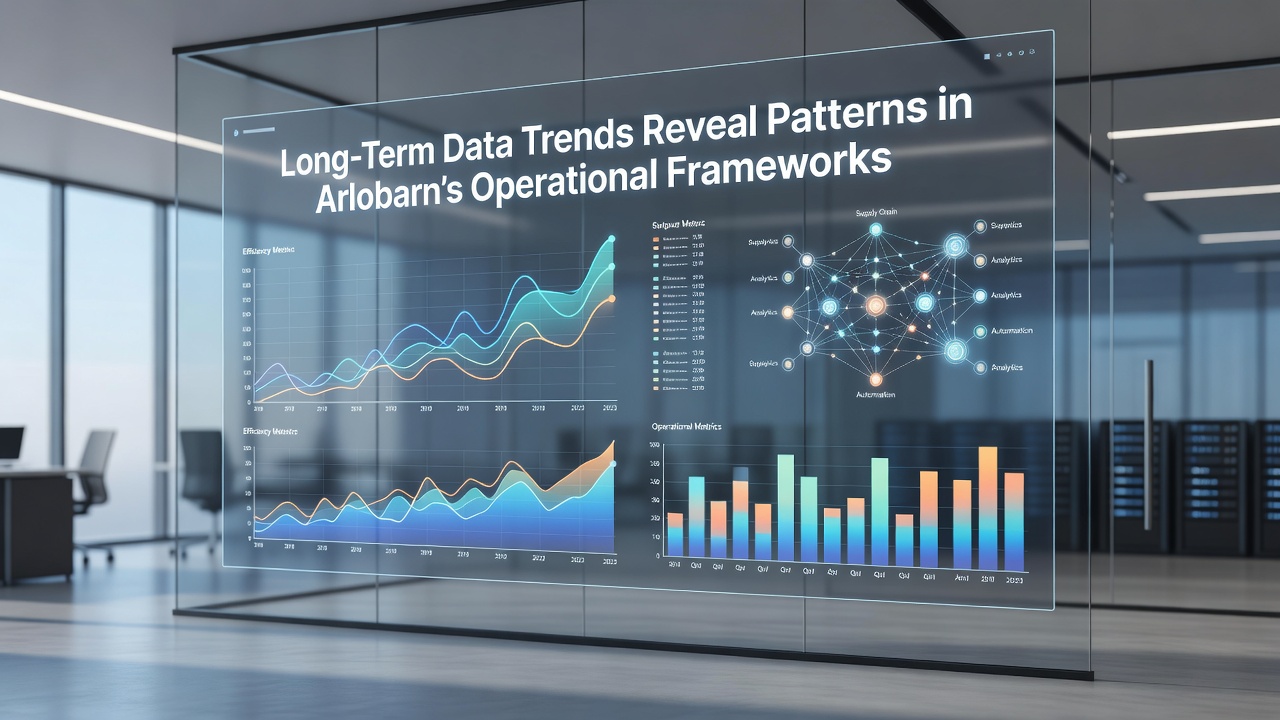
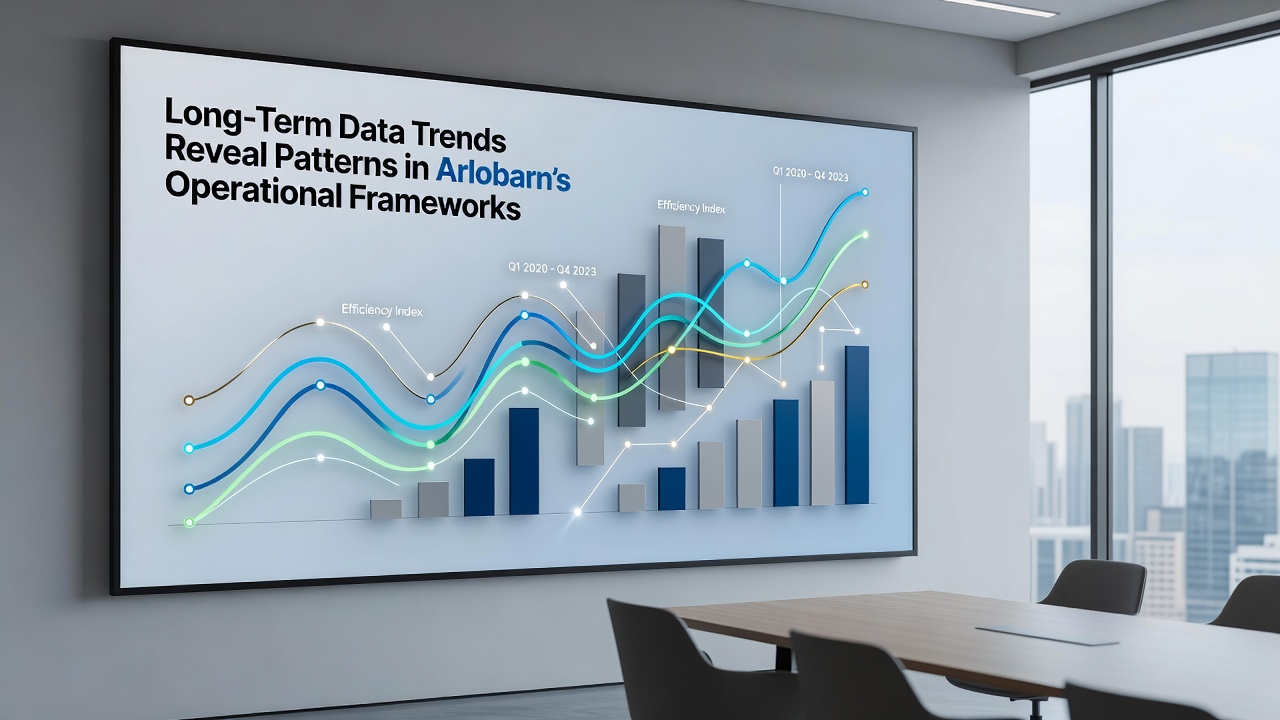
Examination of the compiled information shows repeating alignments between inventory turnover rates and maintenance scheduling windows, and these alignments appear most pronounced during quarters that follow major capital investments. Data from 2018 through 2023 indicates that framework adjustments in procurement protocols coincide with measurable changes in downstream processing times, whereas periods of stable supplier contracts exhibit tighter clustering around projected output targets. Experts have mapped these sequences onto visual timelines that highlight intervals where variance in cycle completion drops below established thresholds.
Additional layers of analysis reveal connections between training program completion rates and error reduction in quality control checkpoints, and such linkages strengthen when aggregated over five-year spans rather than isolated annual reviews. Figures compiled through November 2026 continue to reflect these established sequences, with preliminary aggregates indicating continuity in the previously observed patterns.
Regional and Sectoral Comparisons
Arlobarn's internal records have been cross-checked against datasets released by Eurostat on manufacturing and service sector productivity, which supplies a broader frame for evaluating whether observed sequences reflect company-specific adaptations or wider economic movements. Comparisons drawn from Canadian and Australian statistical agencies further illustrate that certain framework responses, such as phased rollout of automation protocols, follow timelines that diverge from those reported in peer organizations. Researchers document these divergences through normalized indices that account for differences in scale and regulatory environment.
One study released in late 2025 examined how Arlobarn adjusted its logistics sub-frameworks following supply disruptions recorded in 2021, and the resulting metrics showed accelerated stabilization compared with average recovery periods listed in contemporaneous industry reports. This example demonstrates how granular historical data supports reconstruction of decision pathways that remain embedded in current operational structures.
Emerging Sequences Through Late 2026
Updates processed through November 2026 incorporate new sensor-derived inputs from production lines that were retrofitted during the prior calendar year, and initial processing of these streams shows continuation of efficiency gains first noted in 2022 aggregates. Patterns in energy consumption per unit output maintain alignment with earlier projections, although slight deviations appear in segments that rely on third-party logistics providers. Analysts continue to integrate these fresh entries into existing models without altering the core variables that have guided prior trend identification.
Conclusion
The body of long-term records assembled at Arlobarn supplies a basis for recognizing consistent operational sequences that persist across changing external conditions, and ongoing compilation through November 2026 extends the timeline available for further examination. Cross-referencing with governmental statistical sources maintains perspective on whether internal patterns correspond to or diverge from broader sectoral movements. Continued aggregation of validated metrics will support additional mapping of framework responses in subsequent reporting periods.